
Fuel Oil
Quality Fuel, Quality Life
Fuel oil is a petroleum-based liquid fuel, a byproduct of crude oil refining, used for energy in heating, power generation, and shipping, categorized by viscosity (light/heavy) and sulfur content, offering different performance for boilers, engines, and furnaces. It includes distillates (like heating oil) and heavy residuals, with modern ultra-low sulfur fuel oil (ULSFO) meeting stricter emission rules.


What it is
A complex mixture of hydrocarbons derived from crude oil refining.
Ranges from lighter, more volatile fractions (like heating oil) to heavy residues (like bunker fuel).
Common uses
Heating: Homes, commercial buildings, and industrial facilities.
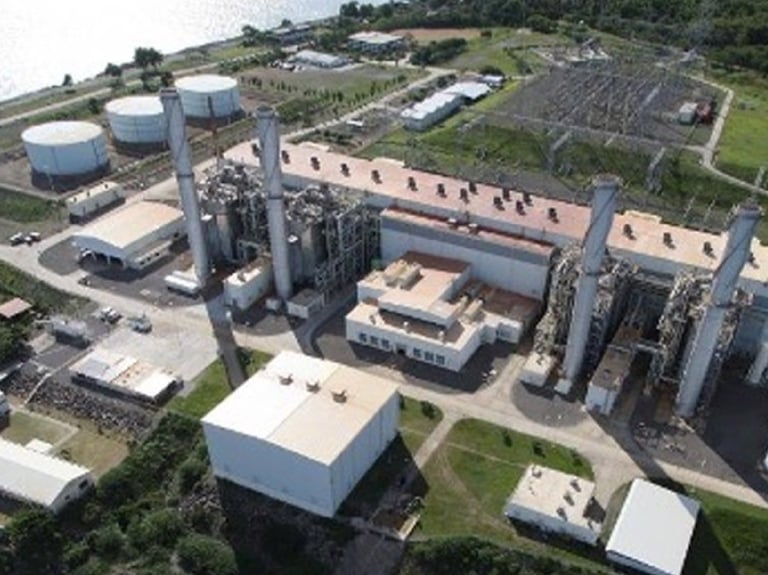
Power Generation: Boilers in power plants.
Transportation: Marine vessels (bunker fuel) and some diesel engines, especially heavier-duty ones.
Fuel oils are categorized by distillation (light vs. heavy) and application, including Distillates like Kerosene (No. 1), Diesel/Gas Oil (No. 2, for transport/heating), and Residuals (No. 4, 5, 6/Heavy Fuel Oil) for large industrial boilers and ships, often blended and requiring preheating, with Marine Fuels (MDO, IFO, HFO) specifically for vessels, all differing in viscosity, sulfur content, and usage from home furnaces to massive power plants.
Types of Fuel Oil
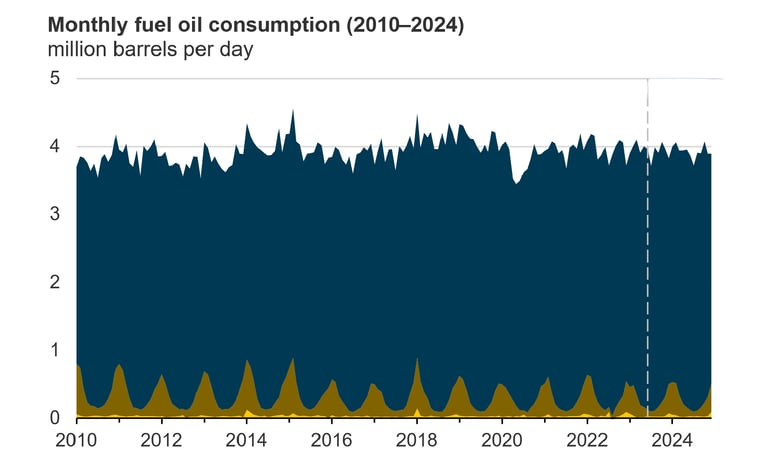
Common Types of Fuel Oil
Light Fuel Oils (Distillates): Lighter, cleaner, easier to ignite.
No. 1 Fuel Oil (Kerosene/Stove Oil): Very light, used for home heating, lamps, ranges.
No. 2 Fuel Oil (Home Heating Oil/Diesel/Gas Oil): Common for furnaces, boilers, and diesel engines (trucks, equipment).
Marine Gas Oil (MGO): A distillate for marine engines, similar to No. 2.
Heavy Fuel Oils (Residuals): Thick, viscous, less refined, requiring preheating.
No. 4 Fuel Oil: A blend of distillates and residuals, used in industrial burners.
No. 5 Fuel Oil (Light Fuel Oil/Commercial Fuel Oil): Heavy, for large industrial heating.
No. 6 Fuel Oil (Heavy Fuel Oil/Bunker Fuel): The heaviest, used in ships, power plants, large industrial boilers.
Marine Fuels: Specific grades for ships.
Intermediate Fuel Oil (IFO): Blends of heavy fuel oil and gas oil (e.g., IFO 380, IFO 180).
Marine Diesel Oil (MDO): A blend with low viscosity for easier use.

Key Distinctions
Viscosity: How thick the oil is; heavier oils (No. 6) are thick, lighter ones (No. 1, 2) are thin.
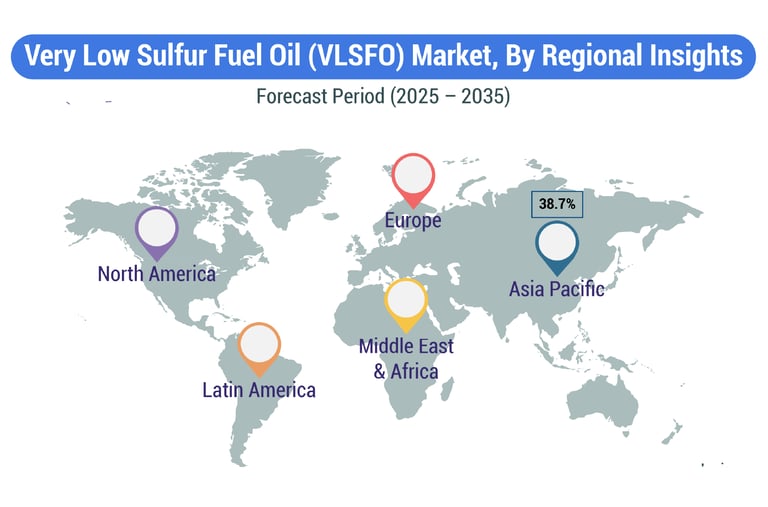
Sulfur Content: Heavily regulated, especially in marine fuels, with low-sulfur versions (LSFO) available.
Application: From home heating (No. 2) to ocean freighters (HFO/IFO) to backup generators (LFO).
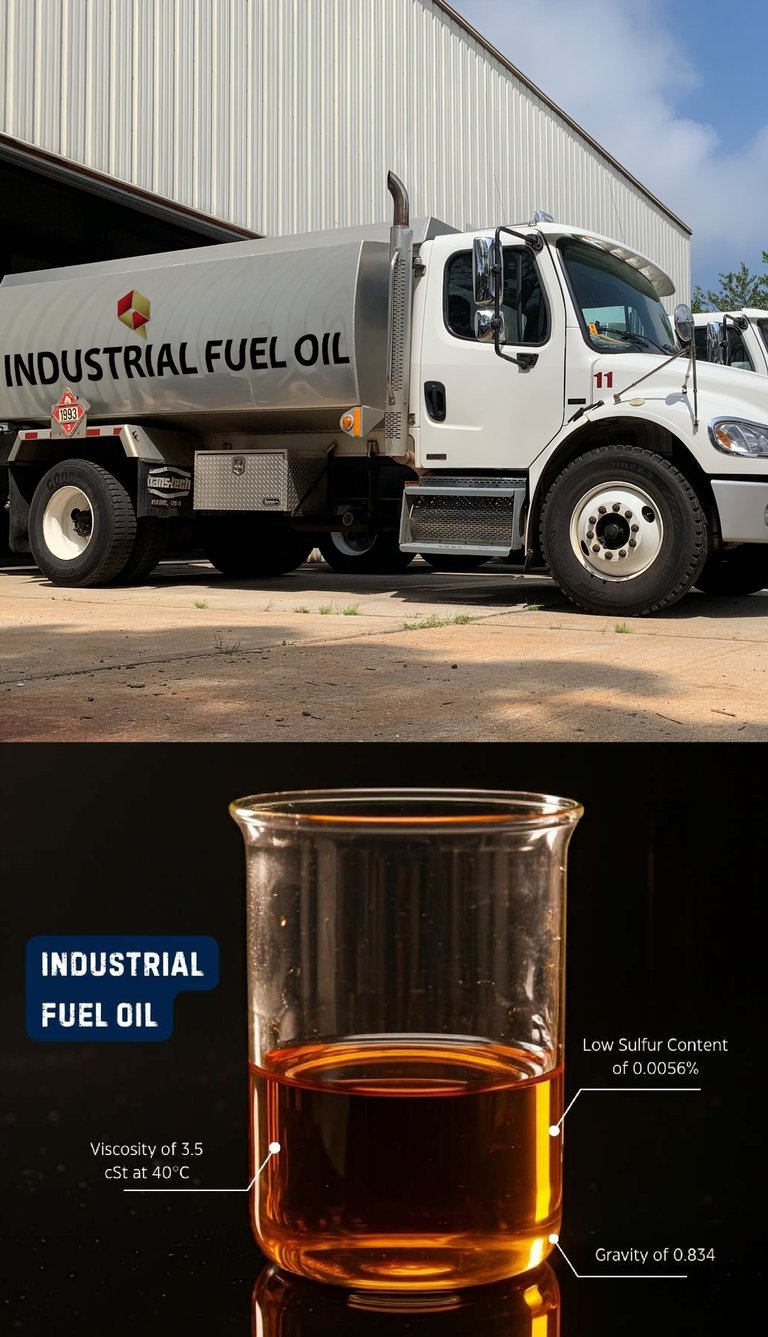
Fuel oil colors vary widely from naturally yellowish/brown (like crude oil, gasoline) to red (red diesel for agricultural use), clear (white diesel/petrol), or dyed distinct colors like blue, green, or purple for tax/identification purposes by refiners, using specific petroleum dyes to differentiate grades like kerosene or heating oil. The color signals its blend, tax status, or intended use, though it's often a marketing or regulatory indicator rather than an inherent property of the hydrocarbons.
Colours of Fuel Oil
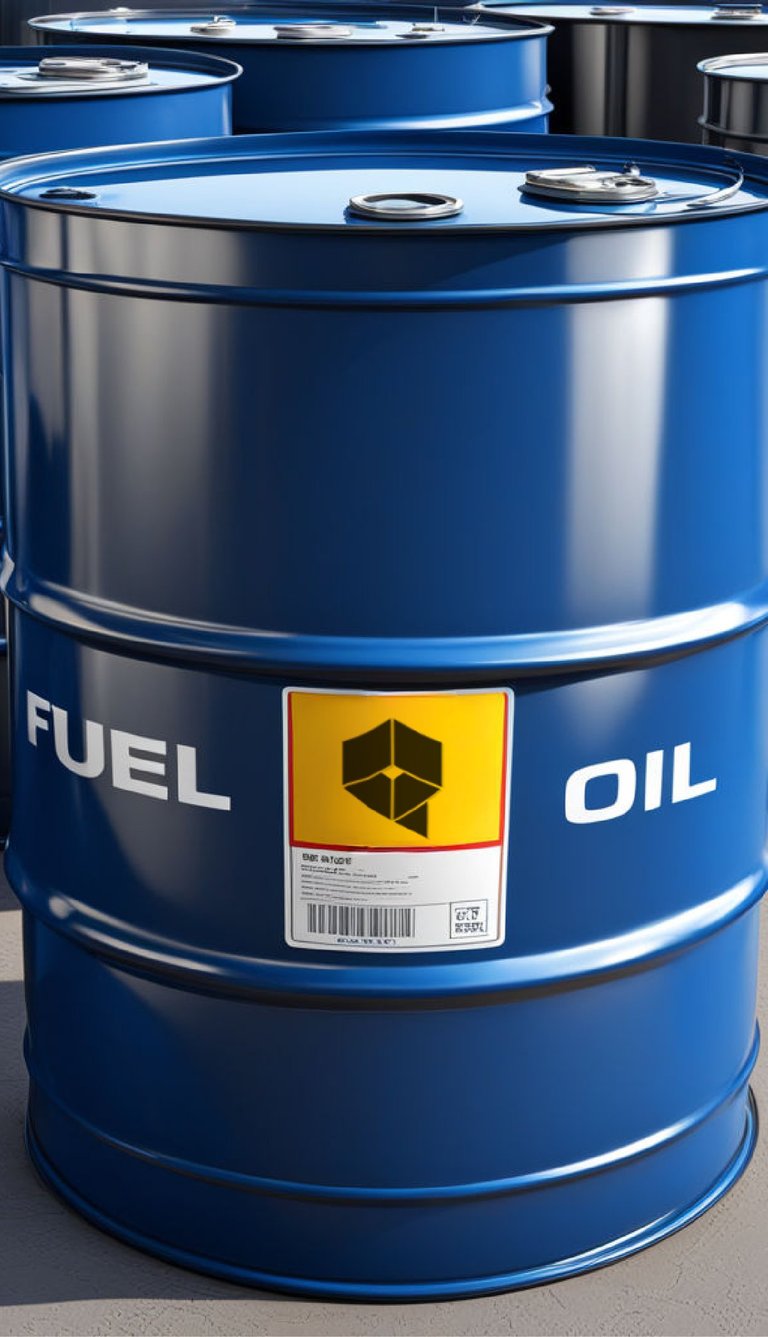
Common Fuel Oil Colours & Meanings
Clear/Light Yellow: Typical for untaxed, over-the-road diesel (DERV) and gasoline (petrol) in many regions.
Red: Often indicates low-taxed "red diesel" (gas oil) used in agricultural, heating, or off-road machinery, dyed to prevent road use.
Blue/Green/Purple/Orange: Specialty dyes are added for identification, like marking kerosene, aviation fuels, or specific blends for commercial/industrial use.
Dark/Black: Heavier fuel oils, furnace oil, and asphalt are typically darker or black.
Why Colours Differ
Taxation: Low-taxed fuels (like red diesel) are dyed to differentiate them from high-tax road fuels.
Identification: Dyes help prevent adulteration and ensure the right fuel goes into the right engine (e.g., aviation vs. car).
Blending: Different regional blends or grades (like high-octane) can have slight color variations, but dyes are the primary differentiator.
Natural Variation: Even without dyes, the natural hydrocarbons in oil create shades from pale yellow to dark brown.
Fuel Oil
Quality Fuel, Quality Life
Fuel oil is a petroleum-based liquid fuel, a byproduct of crude oil refining, used for energy in heating, power generation, and shipping, categorized by viscosity (light/heavy) and sulfur content, offering different performance for boilers, engines, and furnaces. It includes distillates (like heating oil) and heavy residuals, with modern ultra-low sulfur fuel oil (ULSFO) meeting stricter emission rules.
What it is
A complex mixture of hydrocarbons derived from crude oil refining.
Ranges from lighter, more volatile fractions (like heating oil) to heavy residues (like bunker fuel).
Common uses
Heating: Homes, commercial buildings, and industrial facilities.
Power Generation: Boilers in power plants.
Transportation: Marine vessels (bunker fuel) and some diesel engines, especially heavier-duty ones.


Fuel oils are categorized by distillation (light vs. heavy) and application, including Distillates like Kerosene (No. 1), Diesel/Gas Oil (No. 2, for transport/heating), and Residuals (No. 4, 5, 6/Heavy Fuel Oil) for large industrial boilers and ships, often blended and requiring preheating, with Marine Fuels (MDO, IFO, HFO) specifically for vessels, all differing in viscosity, sulfur content, and usage from home furnaces to massive power plants.
Types of Fuel Oil
Common Types of Fuel Oil
Light Fuel Oils (Distillates): Lighter, cleaner, easier to ignite.
No. 1 Fuel Oil (Kerosene/Stove Oil): Very light, used for home heating, lamps, ranges.
No. 2 Fuel Oil (Home Heating Oil/Diesel/Gas Oil): Common for furnaces, boilers, and diesel engines (trucks, equipment).
Marine Gas Oil (MGO): A distillate for marine engines, similar to No. 2.
Heavy Fuel Oils (Residuals): Thick, viscous, less refined, requiring preheating.
No. 4 Fuel Oil: A blend of distillates and residuals, used in industrial burners.
No. 5 Fuel Oil (Light Fuel Oil/Commercial Fuel Oil): Heavy, for large industrial heating.
No. 6 Fuel Oil (Heavy Fuel Oil/Bunker Fuel): The heaviest, used in ships, power plants, large industrial boilers.
Marine Fuels: Specific grades for ships.
Intermediate Fuel Oil (IFO): Blends of heavy fuel oil and gas oil (e.g., IFO 380, IFO 180).
Marine Diesel Oil (MDO): A blend with low viscosity for easier use.
Key Distinctions
Viscosity: How thick the oil is; heavier oils (No. 6) are thick, lighter ones (No. 1, 2) are thin.
Sulfur Content: Heavily regulated, especially in marine fuels, with low-sulfur versions (LSFO) available.
Application: From home heating (No. 2) to ocean freighters (HFO/IFO) to backup generators (LFO).
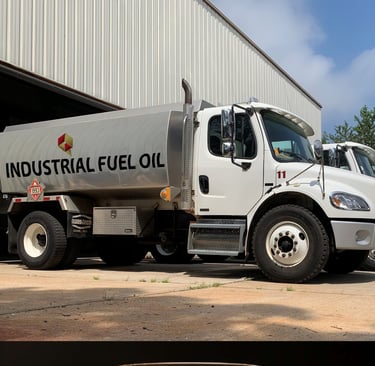
Fuel oil colors vary widely from naturally yellowish/brown (like crude oil, gasoline) to red (red diesel for agricultural use), clear (white diesel/petrol), or dyed distinct colors like blue, green, or purple for tax/identification purposes by refiners, using specific petroleum dyes to differentiate grades like kerosene or heating oil. The color signals its blend, tax status, or intended use, though it's often a marketing or regulatory indicator rather than an inherent property of the hydrocarbons.
Colours of Fuel Oil
Common Fuel Oil Colours & Meanings
Clear/Light Yellow: Typical for untaxed, over-the-road diesel (DERV) and gasoline (petrol) in many regions.
Red: Often indicates low-taxed "red diesel" (gas oil) used in agricultural, heating, or off-road machinery, dyed to prevent road use.
Blue/Green/Purple/Orange: Specialty dyes are added for identification, like marking kerosene, aviation fuels, or specific blends for commercial/industrial use.
Dark/Black: Heavier fuel oils, furnace oil, and asphalt are typically darker or black.
Why Colours Differ
Taxation: Low-taxed fuels (like red diesel) are dyed to differentiate them from high-tax road fuels.
Identification: Dyes help prevent adulteration and ensure the right fuel goes into the right engine (e.g., aviation vs. car).
Blending: Different regional blends or grades (like high-octane) can have slight color variations, but dyes are the primary differentiator.
Natural Variation: Even without dyes, the natural hydrocarbons in oil create shades from pale yellow to dark brown.