
Base Oil
Durability in Every Drop
Base oil is the primary ingredient in lubricants (like motor oil, grease, and metalworking fluids), derived from refining crude oil or synthesized chemically, acting as the foundation whose quality dictates the final product's performance, with the API classifies them into five groups (I-V) based on refining processes and chemical properties (saturates, sulfur, viscosity) to meet diverse industrial needs.
Key Properties & Performance
Viscosity: How the oil flows at different temperatures (Viscosity Index).
Stability: Resistance to breakdown from heat (oxidation) and volatility.
Purity: Lower sulfur and higher saturates generally mean better quality and stability.
What it is
The main component: Base oil makes up 70-90% of a finished lubricant.
Source: Primarily from crude oil (mineral), but also from chemical synthesis (synthetic) or natural sources (bio-based).
Function: Reduces friction, prevents wear, and helps manage heat in machinery.
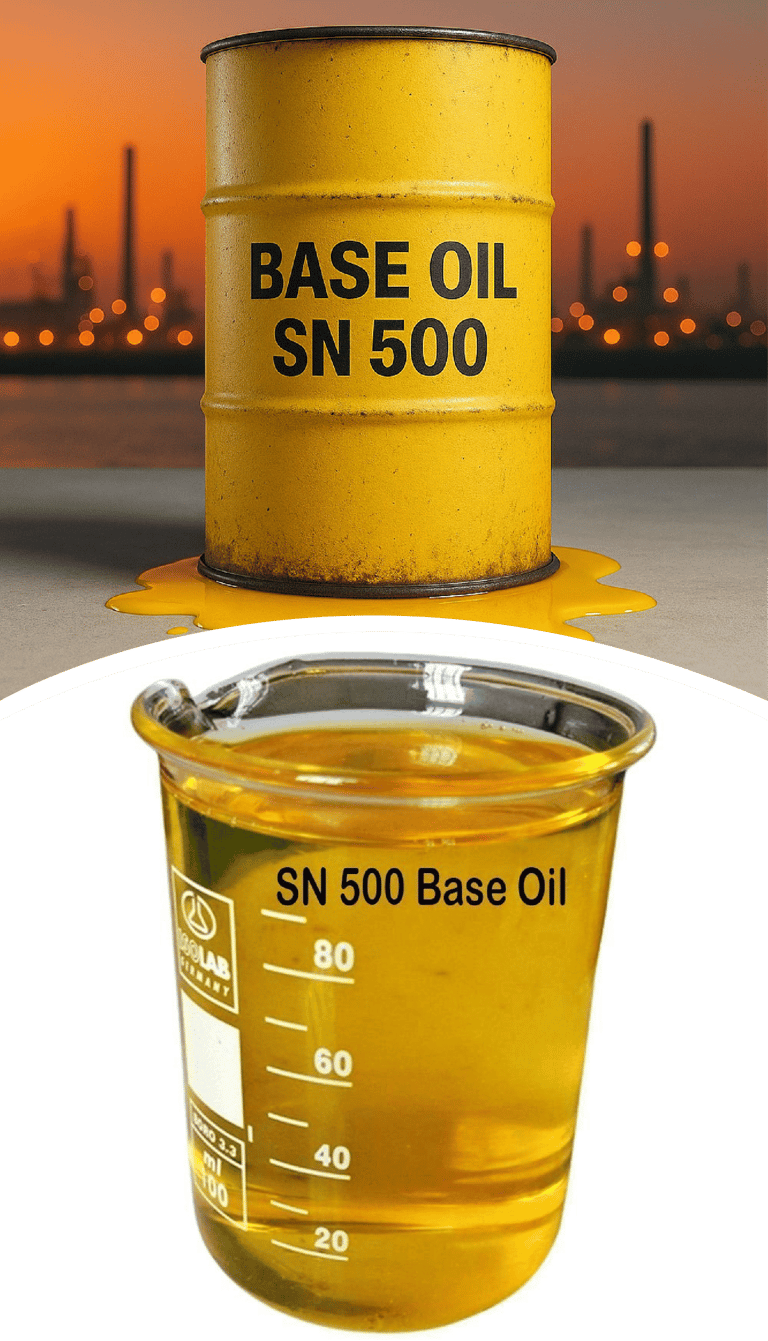
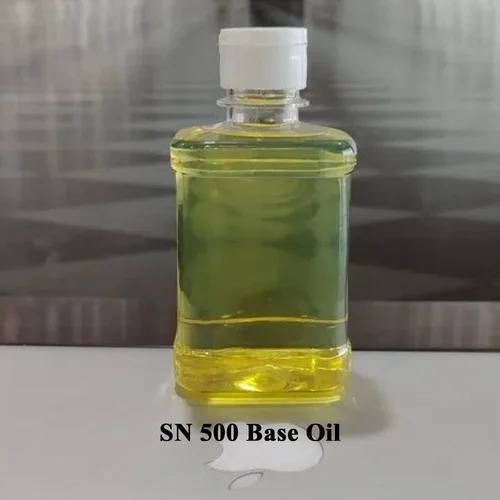
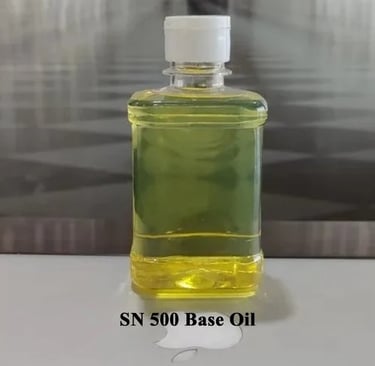
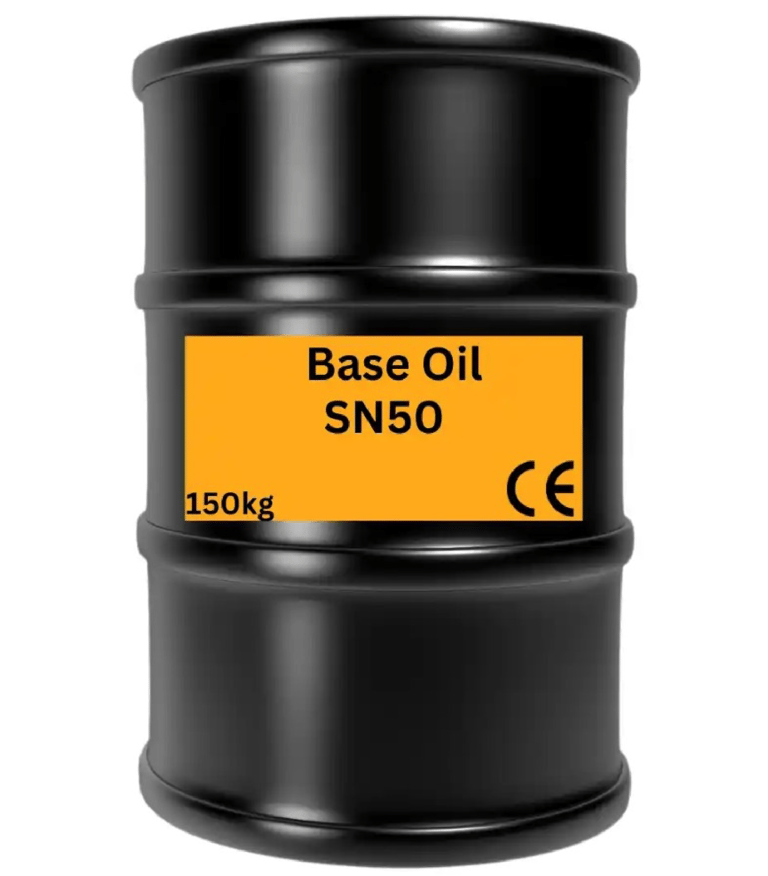
Privy Quantum is an OMC for base oil SN 500 the most widely used base oil. SN 500 is a light grade base oil at the upper end of the specifications for Grade I base oils. They are mainly used in lubricant production.
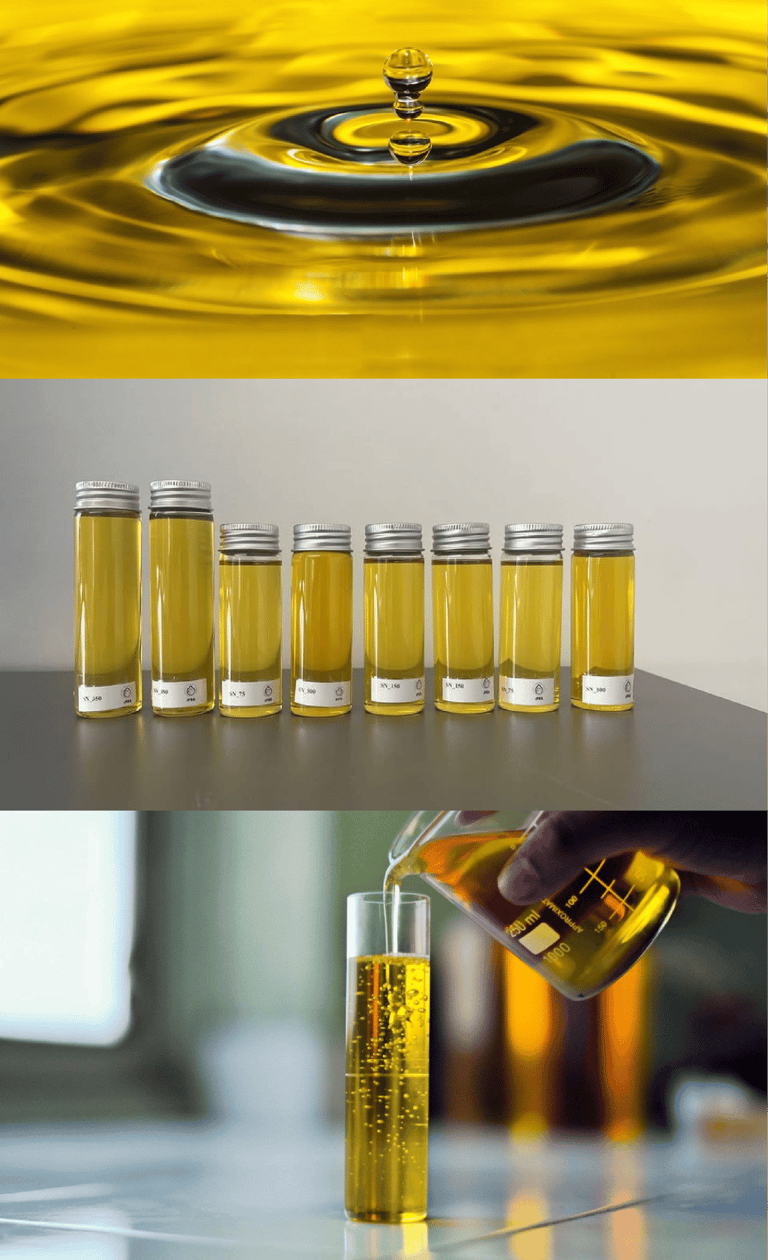
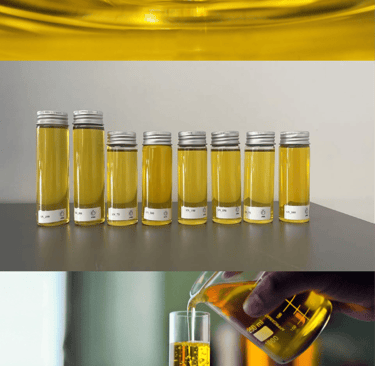
Through the network of our oil refinery diverse grades of Base Oil are produced by means of solvent refining paraffinic crude oil as below, with modern production facilities and using high-quality raw materials.
Base Oils are used to manufacture a wide range of products
Motor oil
Industrial oil
Lubricating greases
Metal processing fluids
Additives
Hydraulic oils
Transformer oils
Coating
Medicine
Paints
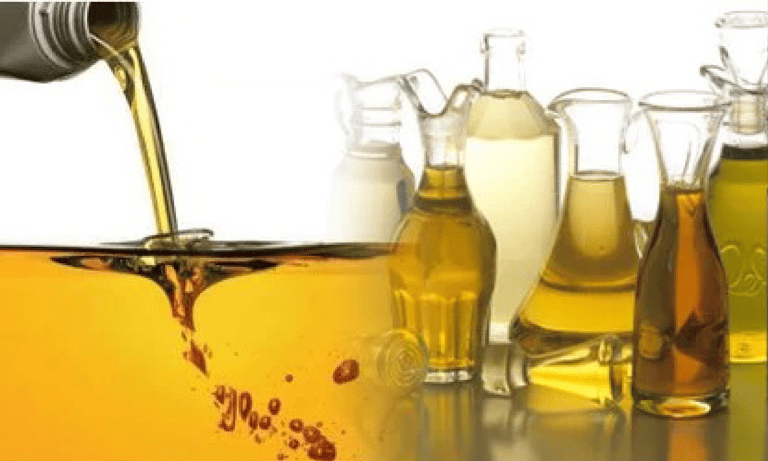
Base oils are categorized into three main types - Mineral, Synthetic, and Bio-based - further classified by the American Petroleum Institute (API) into five groups (I-V) based on purity and properties, ranging from conventional mineral oils (Groups I-II) to highly refined mineral (Group III, "synthetic technology") and fully synthetic types like PAOs (Group IV) and esters (Group V), each offering different performance, stability, and cost for lubricants.
Types of Base Oil
API Oil Base Groups
Group I (Mineral): Solvent-refined mineral oils, least refined, higher sulfur, lower Viscosity Index (VI).
Group II (Mineral): Hydro-processed mineral oils, clearer, better oxidation stability than Group I, more common now.
Group III (Synthetic Technology): Severely hydro-processed mineral oils (hydrocracked), high saturates, low sulfur, high VI; often called "synthetic".
Group IV (Synthetic): Polyalphaolefins (PAOs), fully synthetic, excellent temperature performance, high VI, low volatility, great for extreme conditions.
Group V (All Others): Includes esters, polyalkylene glycols (PAGs), silicones, and other synthetics not in Groups I-IV; used for specific demanding applications.
General Categories
Mineral Oils: Derived from crude oil, inexpensive (Groups I, II).
Synthetic Oils: Man-made, tailored properties (Groups III, IV, V).
Bio-Based Oils: From renewable sources (vegetable oils), biodegradable, used in niche markets.
Key Types within Groups
PAOs (Polyalpha Olefins): (Group IV) - Common synthetic for wide temperature ranges.
Esters (Diesters, Polyol Esters): (Group V) - Excellent solvency, stability, often blended.
PAGs (Polyalkylene Glycols): (Group V) - Water-soluble or insoluble, used in compressors, fire-resistant fluids.
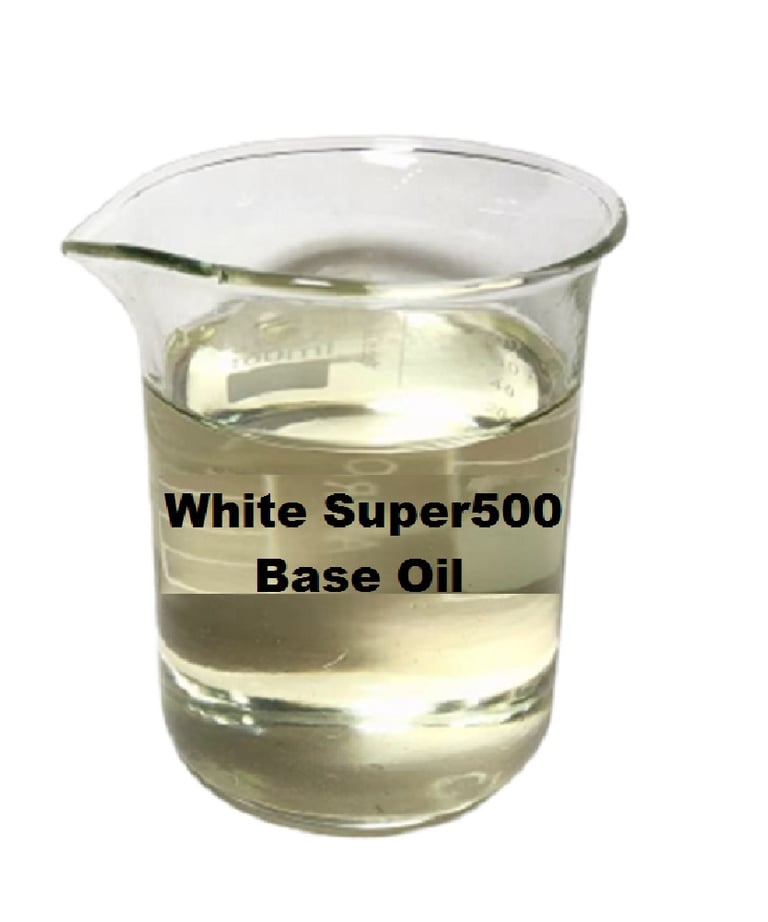
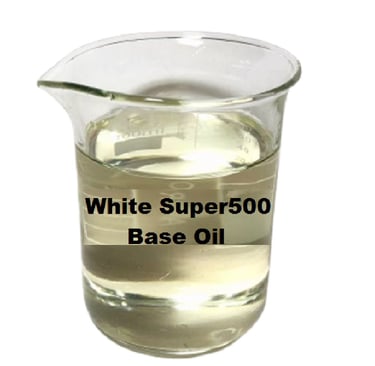
Base oils range from water-white to dark amber/brown, depending on their group (purity/refining), with purer Group II/III oils being clear and Group I oils often amber or golden; color indicates quality, with darker shades suggesting impurities like sulfur, nitrogen, or degradation, tested via scales like ASTM D1500.
Colours of Base Oil
Common Base Oil Colours by Group
Group I: Often amber to golden brown, containing more sulfur and impurities.
Group II: Generally clear, colorless, or water-white, due to advanced hydrotreating.
Group III (VHVI): Very pure, typically water-white (very low ASTM color, e.g., <0.5).
What Colour Indicates
Purity: Higher quality (Group II/III) oils are clearer because they've had more sulfur, nitrogen, and ring structures removed.
Contamination/Degradation: Darkening often signals oxidation, soot, water ingress, or mixing with other oils.
Standardization: The ASTM D1500 scale measures color from 0 (water-white) to 8 (very dark/black) for quality control.
Other Base Oils
Oil Painting: Base oils for art are chosen for mid-tones, often earth colors like umbers or siennas, or can be tinted.
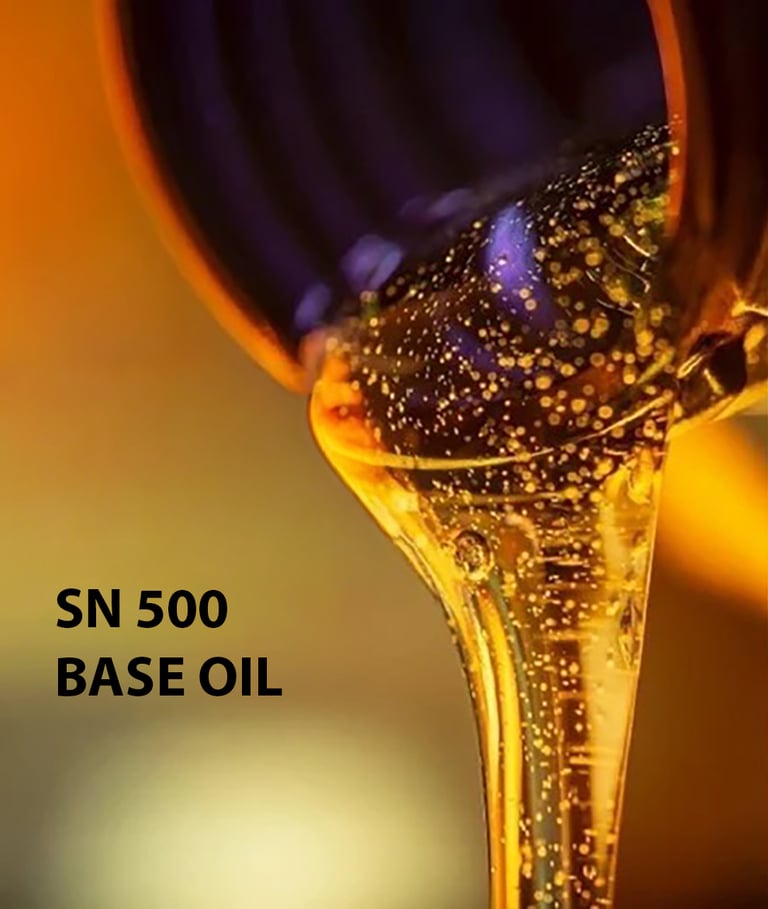
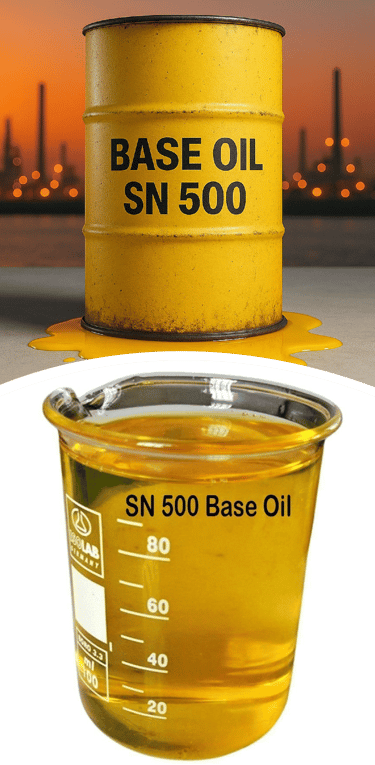
Specialty: Some base oils (like SN series) come in lighter colors (pale yellow) but can darken with viscosity grade, while some industrial uses might use colored base oils directly.
Base Oil
Durability in Every Drop
Base oil is the primary ingredient in lubricants (like motor oil, grease, and metalworking fluids), derived from refining crude oil or synthesized chemically, acting as the foundation whose quality dictates the final product's performance, with the API classifies them into five groups (I-V) based on refining processes and chemical properties (saturates, sulfur, viscosity) to meet diverse industrial needs.
Key Properties & Performance
Viscosity: How the oil flows at different temperatures (Viscosity Index).
Stability: Resistance to breakdown from heat (oxidation) and volatility.
Purity: Lower sulfur and higher saturates generally mean better quality and stability.
What it is
The main component: Base oil makes up 70-90% of a finished lubricant.
Source: Primarily from crude oil (mineral), but also from chemical synthesis (synthetic) or natural sources (bio-based).
Function: Reduces friction, prevents wear, and helps manage heat in machinery.
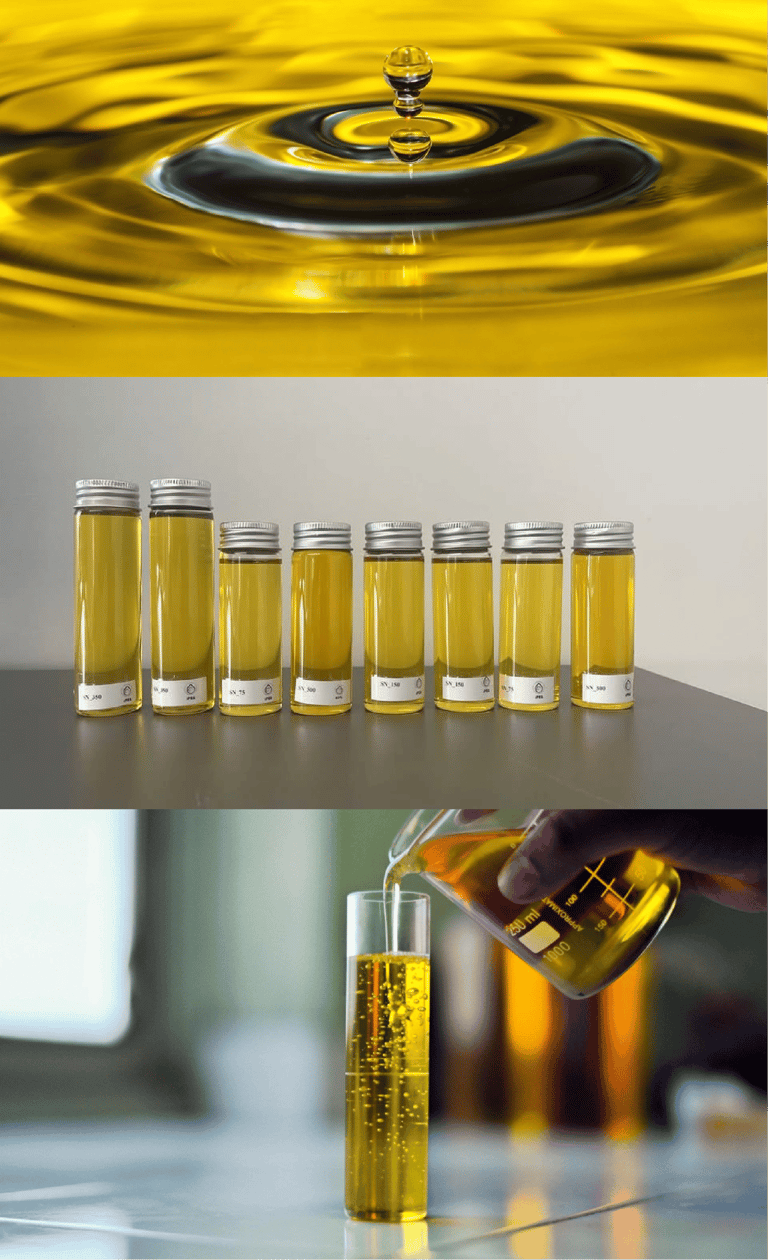
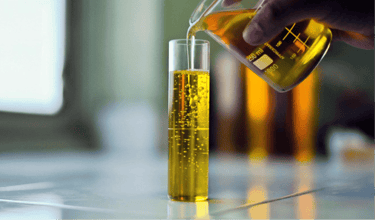
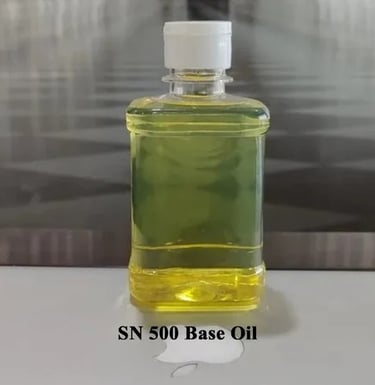
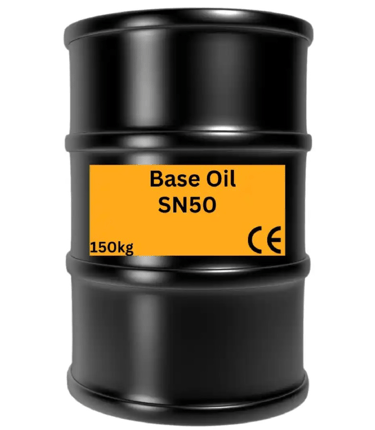
Privy Quantum is an OMC for base oil SN 500 the most widely used base oil. SN 500 is a light grade base oil at the upper end of the specifications for Grade I base oils. They are mainly used in lubricant production.
Through the network of our oil refinery diverse grades of Base Oil are produced by means of solvent refining paraffinic crude oil as below, with modern production facilities and using high-quality raw materials.
Base Oils are used to manufacture a wide range of products
Motor oil
Industrial oil
Lubricating greases
Metal processing fluids
Additives
Hydraulic oils
Transformer oils
Coating
Medicine
Paints
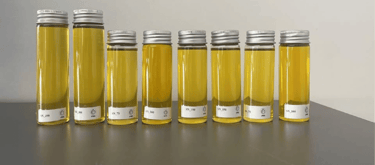
Base oils are categorized into three main types - Mineral, Synthetic, and Bio-based - further classified by the American Petroleum Institute (API) into five groups (I-V) based on purity and properties, ranging from conventional mineral oils (Groups I-II) to highly refined mineral (Group III, "synthetic technology") and fully synthetic types like PAOs (Group IV) and esters (Group V), each offering different performance, stability, and cost for lubricants.
Types of Base Oil
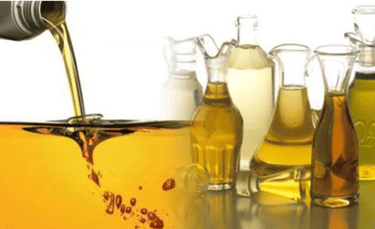
API Oil Base Groups
Group I (Mineral): Solvent-refined mineral oils, least refined, higher sulfur, lower Viscosity Index (VI).
Group II (Mineral): Hydro-processed mineral oils, clearer, better oxidation stability than Group I, more common now.
Group III (Synthetic Technology): Severely hydro-processed mineral oils (hydrocracked), high saturates, low sulfur, high VI; often called "synthetic".
Group IV (Synthetic): Polyalphaolefins (PAOs), fully synthetic, excellent temperature performance, high VI, low volatility, great for extreme conditions.
Group V (All Others): Includes esters, polyalkylene glycols (PAGs), silicones, and other synthetics not in Groups I-IV; used for specific demanding applications.
General Categories
Mineral Oils: Derived from crude oil, inexpensive (Groups I, II).
Synthetic Oils: Man-made, tailored properties (Groups III, IV, V).
Bio-Based Oils: From renewable sources (vegetable oils), biodegradable, used in niche markets.
Key Types within Groups
PAOs (Polyalpha Olefins): (Group IV) - Common synthetic for wide temperature ranges.
Esters (Diesters, Polyol Esters): (Group V) - Excellent solvency, stability, often blended.
PAGs (Polyalkylene Glycols): (Group V) - Water-soluble or insoluble, used in compressors, fire-resistant fluids.
Base oils range from water-white to dark amber/brown, depending on their group (purity/refining), with purer Group II/III oils being clear and Group I oils often amber or golden; color indicates quality, with darker shades suggesting impurities like sulfur, nitrogen, or degradation, tested via scales like ASTM D1500.
Colours of Base Oil
Common Base Oil Colours by Group
Group I: Often amber to golden brown, containing more sulfur and impurities.
Group II: Generally clear, colorless, or water-white, due to advanced hydrotreating.
Group III (VHVI): Very pure, typically water-white (very low ASTM color, e.g., <0.5).
What Colour Indicates
Purity: Higher quality (Group II/III) oils are clearer because they've had more sulfur, nitrogen, and ring structures removed.
Contamination/Degradation: Darkening often signals oxidation, soot, water ingress, or mixing with other oils.
Standardization: The ASTM D1500 scale measures color from 0 (water-white) to 8 (very dark/black) for quality control.
Other Base Oils
Oil Painting: Base oils for art are chosen for mid-tones, often earth colors like umbers or siennas, or can be tinted.
Specialty: Some base oils (like SN series) come in lighter colors (pale yellow) but can darken with viscosity grade, while some industrial uses might use colored base oils directly.