
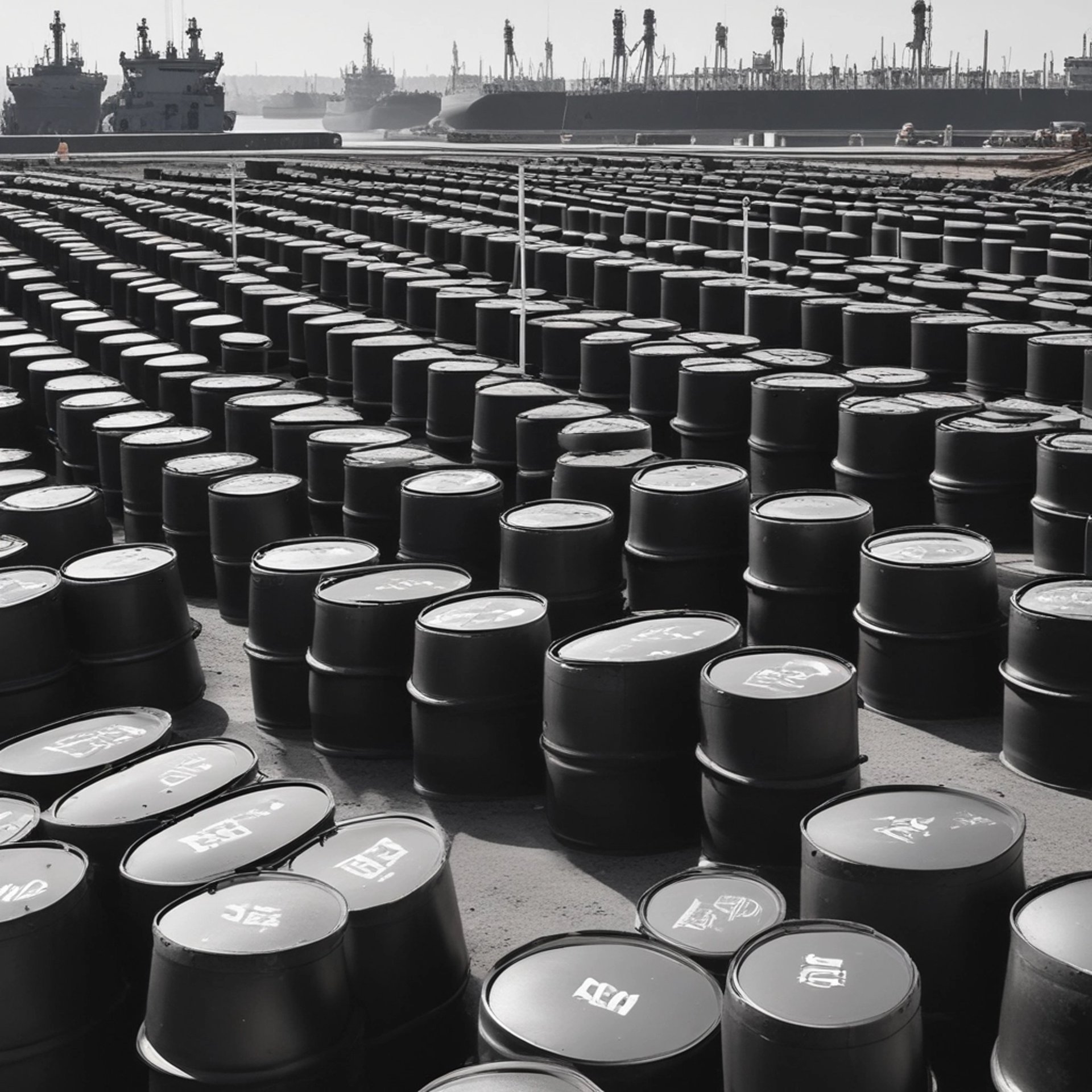
Bitumen
Reliable bitumen trading for paving roads and protecting buildings from moisture.
Privy Group is a leading supplier of high-quality bitumen and bitumen emulsions, serving major road and infrastructure projects across multiple regions. Bitumen, in both bulk and packed form, has been our core business for many years, giving us deep operational and technical expertise.





Bitumen is a black, highly viscous petroleum-based binder used extensively in road construction and asphalt applications. It is typically obtained as a residual product in petroleum refineries after lighter fractions such as gas, petrol, kerosene, and diesel are removed.
In line with International standards, bitumen is defined as a black or dark brown, non-crystalline, semi-solid or viscous material with strong adhesive properties, derived from crude oil by natural or refinery processes. These properties make it ideal for binding mineral aggregates and delivering durable, weather-resistant surfaces.
What Is Bitumen?




Our export volumes are substantial, with around 30,000 MT/per shipment of bulk bitumen and 20,000 MT per shipment of packed bitumen supplied. Our product range covers penetration grades 60/70, 85/100, 40/50, 30/40.
Our Bitumen Business






Through our holdings in the UAE and Oman, we extend reliable supply to Bangladesh, India (East and West coasts), Malaysia, and various parts of Africa. This strategic presence enables efficient logistics, competitive freight options, and responsive delivery schedules.
Our close relationships with leading refineries in the Middle East provide a strong competitive edge in securing high-quality bitumen at attractive rates. This supply strength is particularly important for contractors, governments, and infrastructure developers operating on tight timelines and budgets.
Markets and Supply Reach




All shipments are accompanied by third-party quality certificates issued by internationally recognized inspection companies such as Intertek, SGS, and Geochem. These certifications verify that every cargo meets the specified technical standards and performance criteria.
With extensive experience and specialized know-how across the bitumen value chain, Privy Group positions itself as a one-stop partner for all bitumen requirements. Customers benefit from comprehensive support covering product selection, technical guidance, documentation, and logistics coordination.
Quality Assurance




Packaging
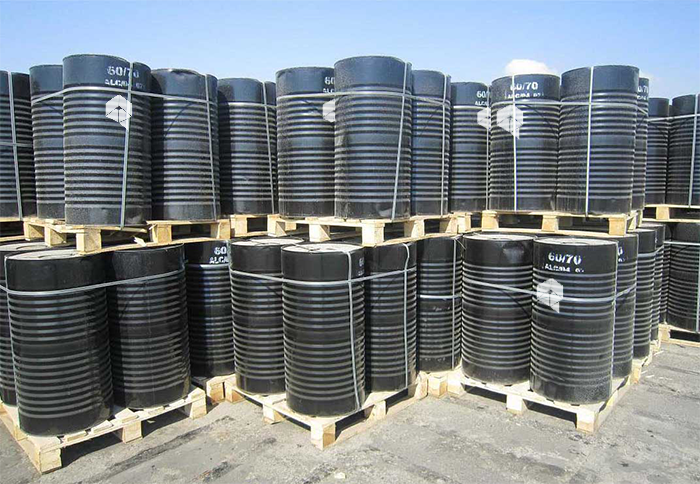
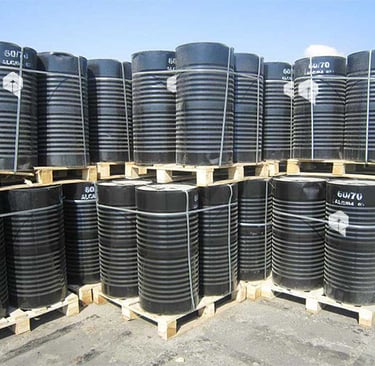
Drum (200±, 180± & 150±)
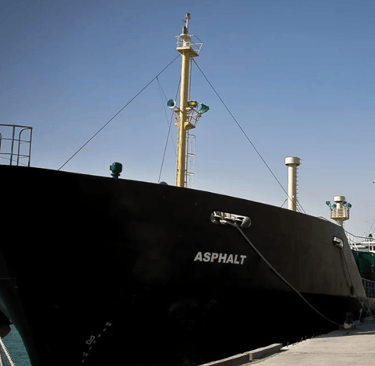
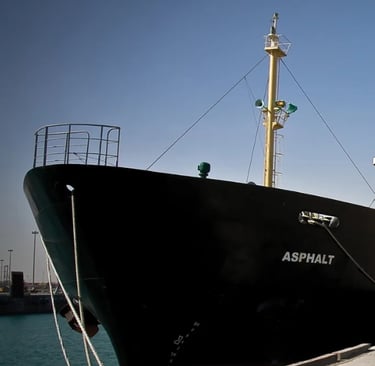
Bulk Shipment (30,000 MT)
Packaging Available for Bitumen
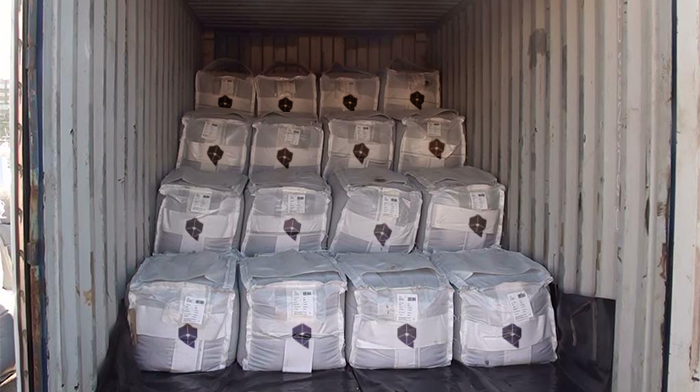
Polybag (1 Ton, 300kg, 40kg)
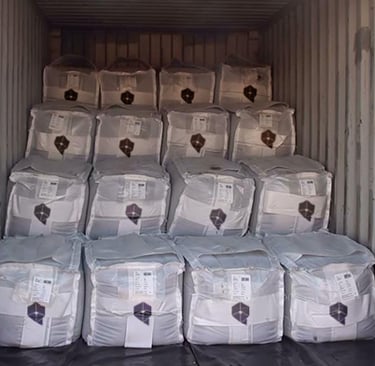
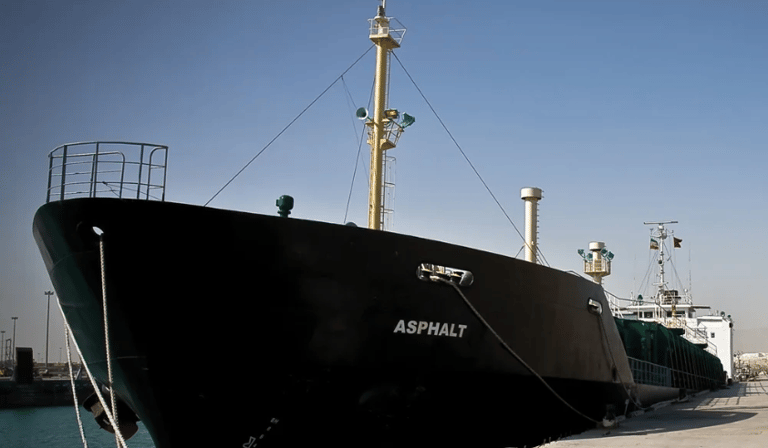
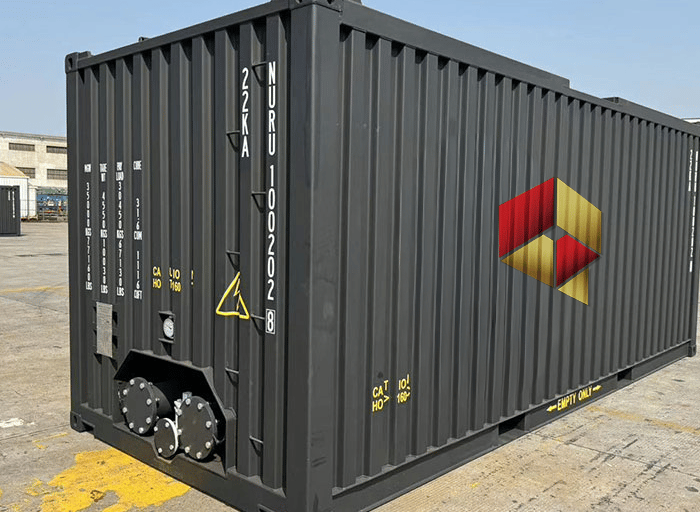
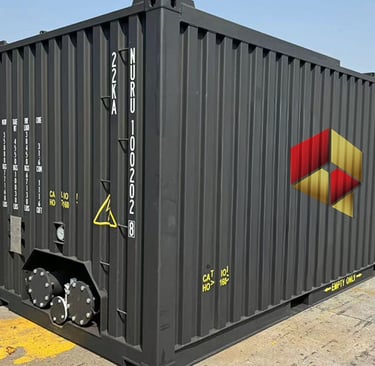
Bitumen Tank Container (20 MT)
FAQs
How do you melt bitumen?
Bitumen is a black, sticky, and viscous material obtained from the distillation of crude oil. It is commonly used in road construction and waterproofing applications.
What are the the main uses of Bitumen?
What are the types of Bitumen?
The most common types include Penetration Graded Bitumen, Viscosity Graded Bitumen, Cutback Bitumen, and Bitumen Emulsion.
Is Bitumen harmful to the environment?
General
Processing & Properties
What is Bitumen?
Hot air melting, Steam Heating & Boiler Heating. Note that the operation process must take the necessary safety measures to prevent fire, burns and other hazards.
What is used to heat bitumen?
The main equipment used to heat bitumen is the asphalt heater, also known as the oil heating temperature control machine. This equipment meets the requirements of high-precision temperature control and heating process, adapts to various development needs, and is a safe, efficient, environmentally friendly and energy-saving heating equipment.
What happens when bitumen is heated?
When the bitumen is heated, there will be the following phenomena: Initially soft, bitumen from the hard state to a softer state, but still not completely melted. Completely melted, when the bitumen heating temperature reaches a certain level, its overall volume will become liquid, this time can be said that the bitumen has completely melted.
When properly processed and applied, bitumen does not harm the environment. Our products comply with national and international environmental standards
Types / Grades
What is the difference between Penetration & Viscosity grades?
Penetration Grade classifications are based on the Penetration value (degree of hardness) (Test conditions: 250C, 100 gm, 5 sec) while VG system is based on absolute Viscosity (degree of Flow Resistance) of the Bitumen samples measured in Poise (Test conditions: @ 600C, 300 mm Hg vacuum). It also includes Kinematic Viscosity measured in cst @ 1350C.
What is Penetration Test on Bitumen?
Bitumen penetration test is done to evaluate the consistency and hardness of bitumen which helps to determine the penetration value.
How to chose the Right Grade of Bitumen?
Based on a variety of criteria, bitumen is divided into distinct grades. The type of application, the climate, the amount of traffic, and other factors that are important for achieving the intended outcomes are all taken into consideration when choosing the optimum grade of bitumen.
What are the limitations of Penetration Grade?
Penetration grading doesn’t control the temperature susceptibility of Bitumen. Highly thermal susceptible Bitumen grades are not desirable because they are soft at high service temperature and very stiff at low service temperature.
Applications
Why does pavement made of VG Bitumen have longer durability than PG Bitumen?
The pavement made from VG Bitumen will have better performance, because Viscosity value measured at 600C correlates well with rutting behavior and Viscosity value at 1350C gives sufficient idea about the mixing and compaction temperature and as a result pavement life is improved.
Can we use VG 30 Bitumen in high temperature zones where the critical highway temperature is >60℃?
Yes, VG 30 can be used in high temperature zones as it has good thermal susceptibility.
Why is a minimum limit to absolute Viscosity @ 60 ℃ prescribed?
The temperature of 60℃ is the near maximum Bituminous pavement temperature on a hot summer day, when rutting is likely to occur. It is useful to determine the stiffness (in terms of absolute Viscosity) of Bitumen at 60℃ so that we can specify its minimum stiffness to ensure adequate resistance to rutting during hot summer.
Distribution & Sales
What countries do you ship to?
We are exporters & suppliers of Bitumen to other countries from Oman to India, Sri Lanka, Singapore, Malaysia & Various African Countries.
Can I resell your products?
Yes. We offer a wide range of offers including Bulk & Wholesale for distribution.
How can I procure your Bitumen products?
You can contact our sales team to place an order and get information about pricing and delivery. We offer entrepot option only. For more details you can mail as per the contact details given below.
What are the incoterms accepted?
EXW, CPT, FOB, CIP, CIF, and DDP
Payment Terms?
30% TT During the Order and Balance 70% before packaging the order. Any cancellation of the order the initial amount will be retained as per damage clause. Other terms will be as per the contract execution of both the parties.
Bitumen is widely used in road paving (asphalt), roofing, waterproofing, and various industrial insulation applications.
How long does bitumen last?
The service life of bitumen is affected by a variety of factors, such as the environment, conditions of use, maintenance and repair. Generally speaking, the service life of bitumen is about 10 to 20 years.
Does bitumen decompose?
Bitumen decomposes. Its decomposition can occur in two ways: chemical reactions and microbial decomposition. Although pure bitumen does not readily decompose due to the stability of its chemical structure, it can still decompose under certain conditions, such as high temperatures or in the presence of certain types of microorganisms.
What is the effect of using VG-10 Bitumen in hot climate areas? What is the right grade to be used in this area?
Due to high temperature in hot climatic areas, use of VG-10 would not provide good rutting resistance. Based on the highest daily mean air temperature, which generally ranges from 300C to 440C, VG-30 Bitumen can be used in this area.
How to measure viscosity at 60℃? What type of equipment and manufacturers do you recommend?
A vacuum capillary tube viscometer is used to perform the Viscosity test at 600C. Viscosity test equipment consists of i. Calibrated Cannon-Manning Viscosity tube, ii. Oil bath maintained at 600C, iii. Vacuum pump and iv. Vacuum gauge, controller, thermometer, stop watch.
Bitumen
Reliable bitumen trading for paving roads and protecting buildings from moisture.
Privy Group is a leading supplier of high-quality bitumen and bitumen emulsions, serving major road and infrastructure projects across multiple regions. Bitumen, in both bulk and packed form, has been our core business for many years, giving us deep operational and technical expertise.
Bitumen is a black, highly viscous petroleum-based binder used extensively in road construction and asphalt applications. It is typically obtained as a residual product in petroleum refineries after lighter fractions such as gas, petrol, kerosene, and diesel are removed.
In line with International standards, bitumen is defined as a black or dark brown, non-crystalline, semi-solid or viscous material with strong adhesive properties, derived from crude oil by natural or refinery processes. These properties make it ideal for binding mineral aggregates and delivering durable, weather-resistant surfaces.
What Is Bitumen?
Our export volumes are substantial, with around 30,000 MT/per shipment of bulk bitumen and 20,000 MT per shipment of packed bitumen supplied. Our product range covers penetration grades 60/70, 85/100, 40/50, 30/40.
Our Bitumen Business
Through our holdings in the UAE and Oman, we extend reliable supply to Bangladesh, India (East and West coasts), Malaysia, and various parts of Africa. This strategic presence enables efficient logistics, competitive freight options, and responsive delivery schedules.
Our close relationships with leading refineries in the Middle East provide a strong competitive edge in securing high-quality bitumen at attractive rates. This supply strength is particularly important for contractors, governments, and infrastructure developers operating on tight timelines and budgets.
Markets and Supply Reach
All shipments are accompanied by third-party quality certificates issued by internationally recognized inspection companies such as Intertek, SGS, and Geochem. These certifications verify that every cargo meets the specified technical standards and performance criteria.
With extensive experience and specialized know-how across the bitumen value chain, Privy Group positions itself as a one-stop partner for all bitumen requirements. Customers benefit from comprehensive support covering product selection, technical guidance, documentation, and logistics coordination.
Quality Assurance
Packaging
Drum (200±, 180± & 150±)
Bulk Shipment (30,000 MT)
Packaging Available for Bitumen
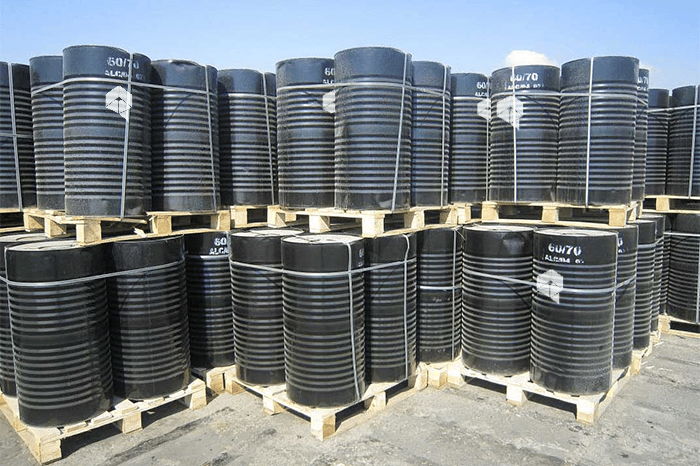
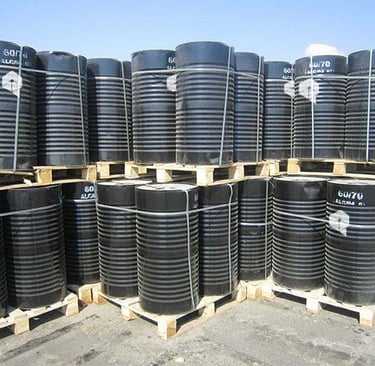
Polybag (1 Ton, 300kg, 40kg)
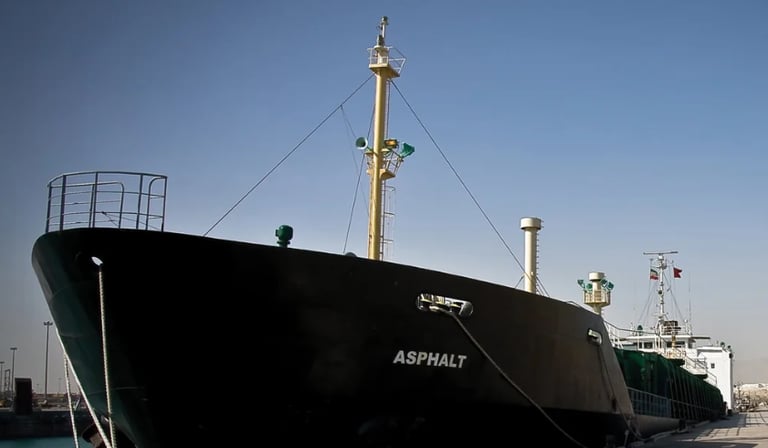
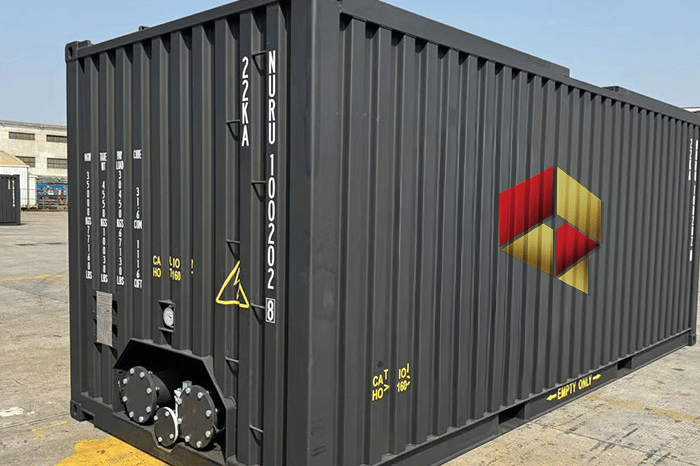
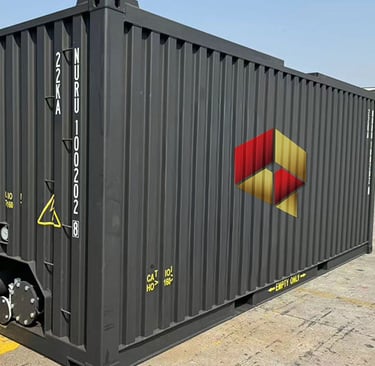
Bitumen Tank Container (20 MT)
FAQs
How do you melt bitumen?
Bitumen is a black, sticky, and viscous material obtained from the distillation of crude oil. It is commonly used in road construction and waterproofing applications.
What are the the main uses of Bitumen?
What are the types of Bitumen?
The most common types include Penetration Graded Bitumen, Viscosity Graded Bitumen, Cutback Bitumen, and Bitumen Emulsion.
Is Bitumen harmful to the environment?
General
Processing & Properties
What is Bitumen?
Hot air melting, Steam Heating & Boiler Heating. Note that the operation process must take the necessary safety measures to prevent fire, burns and other hazards.
What is used to heat bitumen?
The main equipment used to heat bitumen is the asphalt heater, also known as the oil heating temperature control machine. This equipment meets the requirements of high-precision temperature control and heating process, adapts to various development needs, and is a safe, efficient, environmentally friendly and energy-saving heating equipment.
What happens when bitumen is heated?
When the bitumen is heated, there will be the following phenomena: Initially soft, bitumen from the hard state to a softer state, but still not completely melted. Completely melted, when the bitumen heating temperature reaches a certain level, its overall volume will become liquid, this time can be said that the bitumen has completely melted.
When properly processed and applied, bitumen does not harm the environment. Our products comply with national and international environmental standards
Types / Grades
What is the difference between Penetration & Viscosity grades?
Penetration Grade classifications are based on the Penetration value (degree of hardness) (Test conditions: 250C, 100 gm, 5 sec) while VG system is based on absolute Viscosity (degree of Flow Resistance) of the Bitumen samples measured in Poise (Test conditions: @ 600C, 300 mm Hg vacuum). It also includes Kinematic Viscosity measured in cst @ 1350C.
What is Penetration Test on Bitumen?
Bitumen penetration test is done to evaluate the consistency and hardness of bitumen which helps to determine the penetration value.
How to chose the Right Grade of Bitumen?
Based on a variety of criteria, bitumen is divided into distinct grades. The type of application, the climate, the amount of traffic, and other factors that are important for achieving the intended outcomes are all taken into consideration when choosing the optimum grade of bitumen.
What are the limitations of Penetration Grade?
Penetration grading doesn’t control the temperature susceptibility of Bitumen. Highly thermal susceptible Bitumen grades are not desirable because they are soft at high service temperature and very stiff at low service temperature.
Applications
Why does pavement made of VG Bitumen have longer durability than PG Bitumen?
The pavement made from VG Bitumen will have better performance, because Viscosity value measured at 600C correlates well with rutting behavior and Viscosity value at 1350C gives sufficient idea about the mixing and compaction temperature and as a result pavement life is improved.
Can we use VG 30 Bitumen in high temperature zones where the critical highway temperature is >60℃?
Yes, VG 30 can be used in high temperature zones as it has good thermal susceptibility.
Why is a minimum limit to absolute Viscosity @ 60 ℃ prescribed?
The temperature of 60℃ is the near maximum Bituminous pavement temperature on a hot summer day, when rutting is likely to occur. It is useful to determine the stiffness (in terms of absolute Viscosity) of Bitumen at 60℃ so that we can specify its minimum stiffness to ensure adequate resistance to rutting during hot summer.
Distribution & Sales
What countries do you ship to?
We are exporters & suppliers of Bitumen to other countries from Oman to India, Sri Lanka, Singapore, Malaysia & Various African Countries.
Can I resell your products?
Yes. We offer a wide range of offers including Bulk & Wholesale for distribution.
How can I procure your Bitumen products?
You can contact our sales team to place an order and get information about pricing and delivery. We offer entrepot option only. For more details you can mail as per the contact details given below.
What are the incoterms accepted?
EXW, CPT, FOB, CIP, CIF, and DDP
Payment Terms?
30% TT During the Order and Balance 70% before packaging the order. Any cancellation of the order the initial amount will be retained as per damage clause. Other terms will be as per the contract execution of both the parties.
Bitumen is widely used in road paving (asphalt), roofing, waterproofing, and various industrial insulation applications.
How long does bitumen last?
The service life of bitumen is affected by a variety of factors, such as the environment, conditions of use, maintenance and repair. Generally speaking, the service life of bitumen is about 10 to 20 years.
Does bitumen decompose?
Bitumen decomposes. Its decomposition can occur in two ways: chemical reactions and microbial decomposition. Although pure bitumen does not readily decompose due to the stability of its chemical structure, it can still decompose under certain conditions, such as high temperatures or in the presence of certain types of microorganisms.
What is the effect of using VG-10 Bitumen in hot climate areas? What is the right grade to be used in this area?
Due to high temperature in hot climatic areas, use of VG-10 would not provide good rutting resistance. Based on the highest daily mean air temperature, which generally ranges from 300C to 440C, VG-30 Bitumen can be used in this area.
How to measure viscosity at 60℃? What type of equipment and manufacturers do you recommend?
A vacuum capillary tube viscometer is used to perform the Viscosity test at 600C. Viscosity test equipment consists of i. Calibrated Cannon-Manning Viscosity tube, ii. Oil bath maintained at 600C, iii. Vacuum pump and iv. Vacuum gauge, controller, thermometer, stop watch.